I study BSc Computer Science with a major in Cybersecurity at Asia Pacific University in Kuala Lumpur. This is how my degree looks from the inside: a lot of labs, a lot of notes, and projects that taught me more than any slide deck.
Learning by building
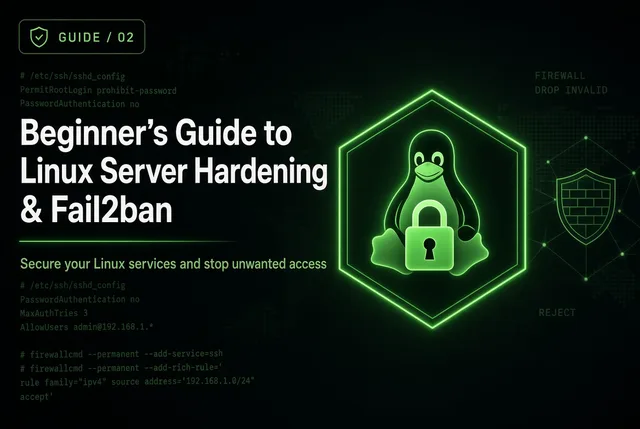
The topics that stuck are the ones I built myself. I designed a multi-branch network in Cisco Packet Tracer with OSPF, HSRP, EtherChannel, DHCP relay and IPv6. I set up a simulated company on Linux with BIND9, Postfix, Dovecot, Apache, Fail2ban and a VPN. I also wrote up a forensic investigation of a compromised Windows 10 system using Autopsy, VirusTotal and RAM analysis.
Software projects
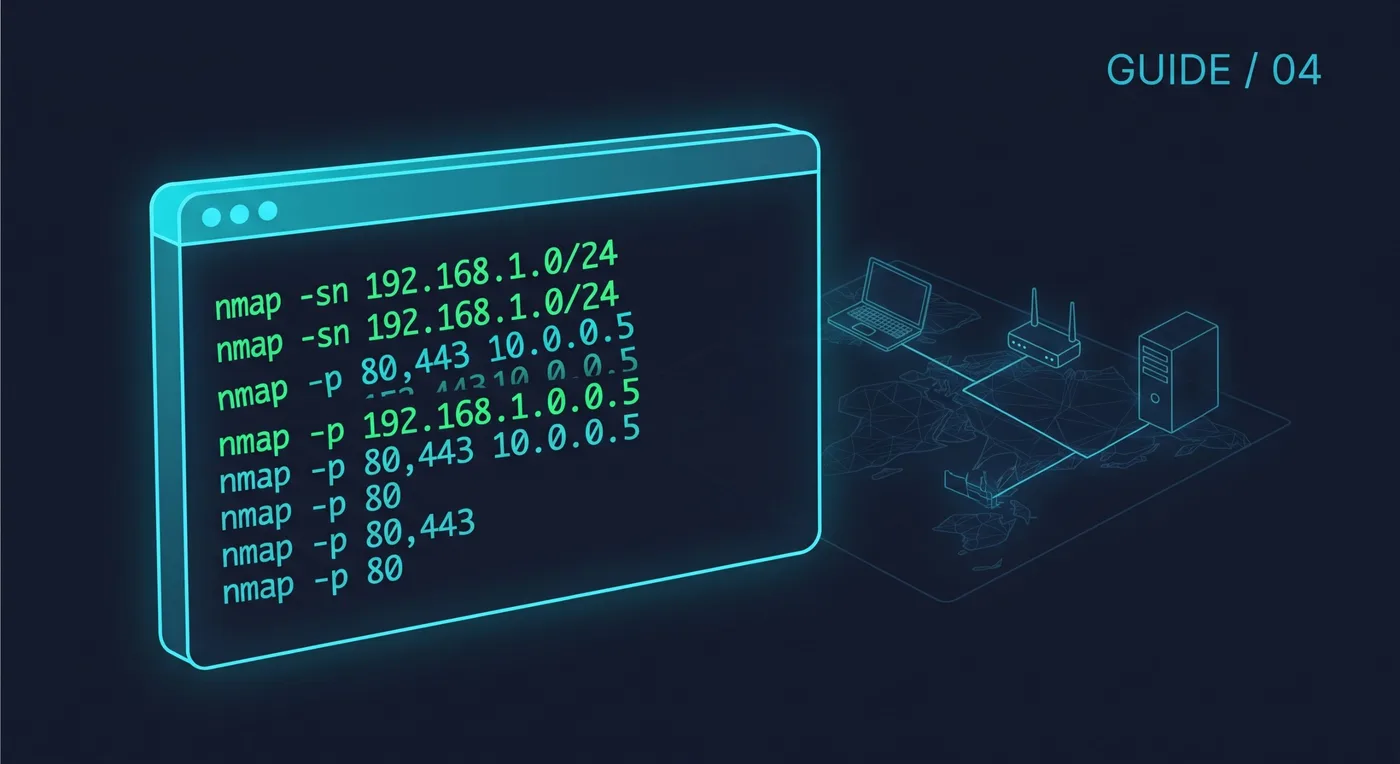
Besides security, I build applications in Python, Java, C# and TypeScript, such as a hospital management system, a cinema system, a CCTV and screen recorder, and a small Python port scanner that I use to understand sockets. Each one taught me something about structure, testing and writing code another person can read.
When Packet Tracer crashed on me
My networking project taught me a hard lesson. Packet Tracer kept crashing while I worked, and once it crashed right at the end, when I was almost finished. The file was lost, and so was every configuration. I had to rebuild the whole thing from the beginning.
It hurt, but the second build was faster and cleaner because I already understood every step. The lesson is simple: save often, and keep a text copy of your configs outside the tool.
From a simple network to switching and routing
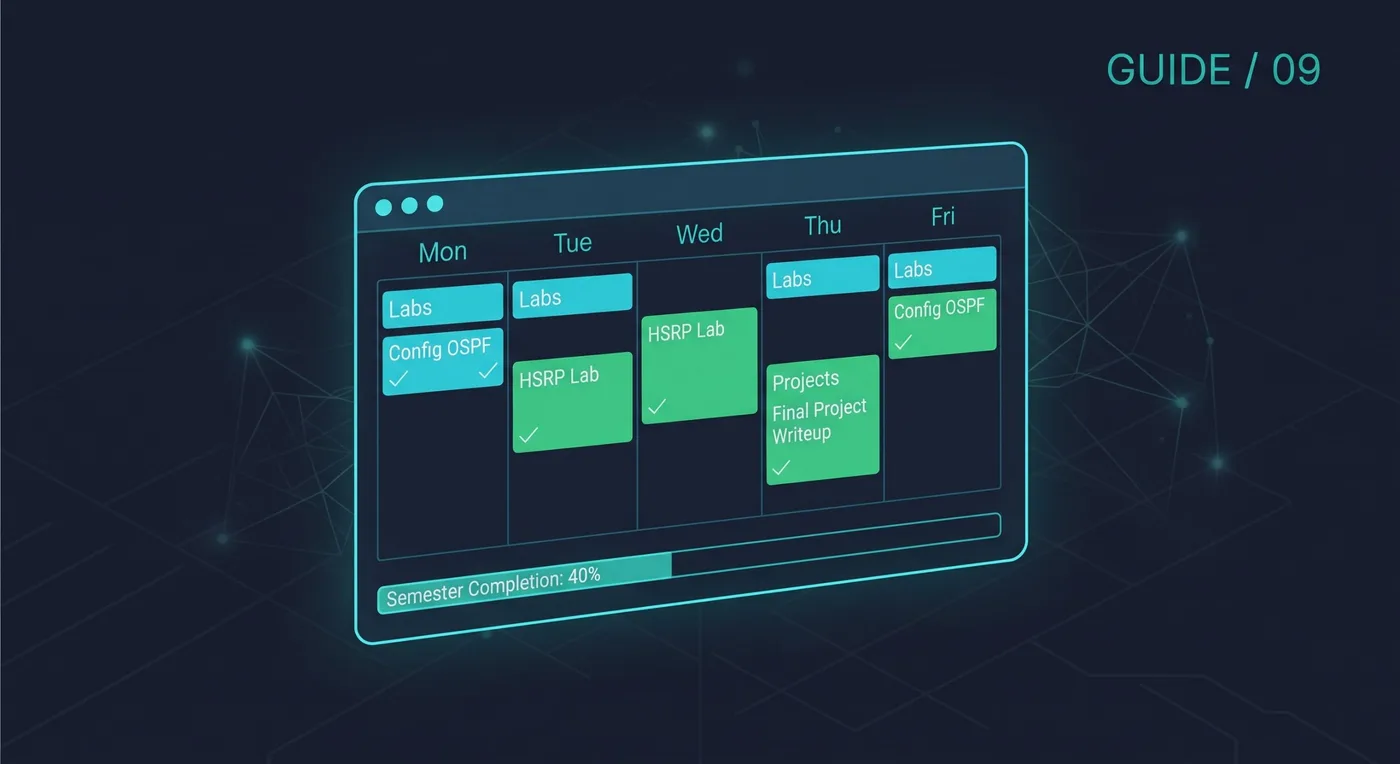
The first version of the project was simple and did not use VLANs, HSRP or EtherChannel. The next version was an upgrade focused on switching and routing, with all three. Building it twice showed me why each feature exists: VLANs separate traffic, HSRP keeps a backup gateway ready, and EtherChannel bundles links so one cable failure does not stop the network.
My favourite: a Rocky Linux server
The project I enjoyed most was on Rocky Linux. I put a firewall, port security, DNS and a VPN on one server and made them work together. Seeing the pieces connect on a real system felt very different from a simulator.
CTFs, in simple words
CTF means Capture The Flag. It is a security game where you solve puzzles on purpose-built practice machines or challenges, and the goal is to find a hidden piece of text called a flag. The puzzles cover things like web pages, Linux, networking, cryptography and forensics. I have played many CTFs and they sharpened my problem solving. They are legal because the targets are made for practice, so only play on platforms and events that invite you to.
I write up the challenges I solve, in Crypto, Web and Forensics, with screenshots of each step. You can read them in my CTF Writeups repository on GitHub.
Writing it down
Assignments, lab reports and research papers are a big part of the course. I learned that clear documentation matters as much as the technical work: what you did, why, and how you checked it. I keep my notes organised and I turned them into the guides on this site.
Helping other students
Many students ask me about networking and Linux labs, and about how to structure a report or approach a research paper. I explain the concepts, show how I would break the problem down, and give feedback. The work still has to be theirs, and that is how they actually learn it.
What is next
I graduate in July 2028 and I am looking for a cybersecurity internship from March 2027. Until then I will keep building labs and sharing what works. If you are a student starting out, begin with one small lab, finish it, and write down what you learned.